shop baking containers online
Complete Guide to Baking Packaging: Finding the Perfect Containers for Freshness and Presentation
Effective packaging is vital for maintaining the quality of baked goods while elevating their overall appearance. Beyond preserving freshness, it also draws in customers and reinforces brand identity. A range of materials and design components contribute significantly to this process. Understanding how to select the right containers can greatly influence a baker's success. What elements should bakers examine to confirm their packaging fulfills both utilitarian and decorative demands?
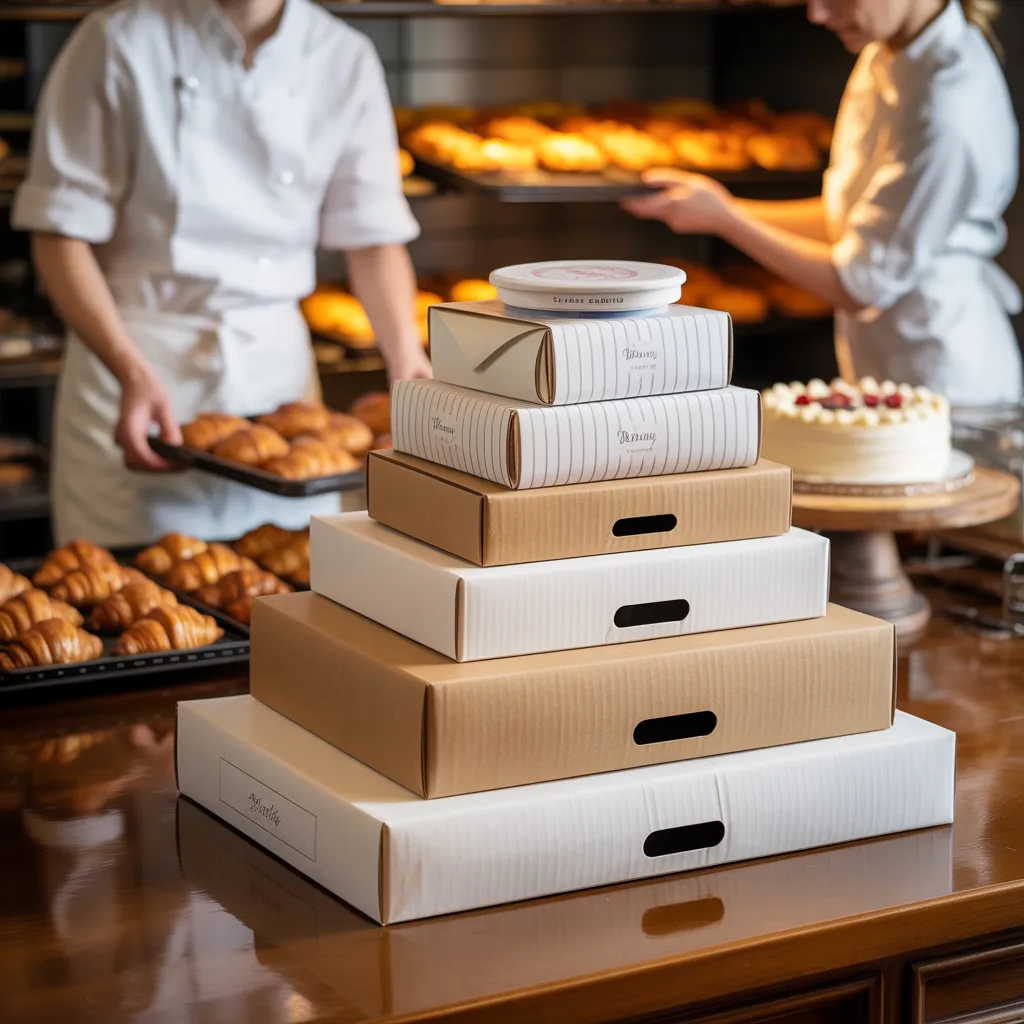
The Role of Baking Packaging in Freshness and Appeal
When examining the success of baked goods, packaging plays an essential role in sustaining freshness and enhancing visual appeal. The ideal packaging not only sustains the quality and freshness of baked goods but also engages customers with its presentation. Freshness is critical; insufficient packaging may result in staleness or deterioration, undermining the product's overall attractiveness.
Moreover, compelling packaging can communicate a brand's identity and elicit emotional responses, ultimately affecting buying decisions. Color, texture, and shape all contribute to the sense of quality. A well-designed package can work as a strategic marketing resource, communicating the precision and care behind the freshly baked creations.
In a competitive market, quality packaging differentiates a product, increasing its prominence on store shelves. Ultimately, the value of packaging goes beyond simple functionality; it serves as a fundamental component of the complete consumer experience, ensuring that baked goods are not only fresh but also enticing.
Types of Packaging Supplies to Keep Your Treats Fresh
When it comes to keeping the freshness of baked items, the selection of packaging solutions is critically important. Airtight plastic containers feature moisture-locking seals that maintain freshness, while various paper packaging options provide breathability and a rustic appeal. Recognizing the strengths of each material can help bakers choose wisely in achieving optimal freshness.
Plastic Container Advantages
Plastic containers present an effective option for maintaining the quality of baked items. Their airtight seals effectively protect against air and moisture infiltration, which can cause spoilage. Sturdy yet lightweight, plastic containers are simple to carry and maneuver, making them perfect for both home bakers and commercial operations. They are available in various shapes and sizes, accommodating everything from cookies to cakes. Moreover, numerous plastic containers are clear, allowing for attractive presentation while enabling customers to view the contents easily. Another major advantage is reusability, as they are easily cleaned and used again. In addition, plastic containers are usually budget-friendly, making them accessible for bakers operating on a budget while ensuring that products remain fresh and appealing.
Paper Packaging Choices
Several paper packaging solutions present efficient solutions for preserving the quality of pastries and confections. Grease-resistant paper is well-regarded for its power to withstand grease and liquids, maintaining the integrity of items like baked confections. Wax paper offers equivalent protection, building a shield against air and moisture, while also offering a traditional look. For heavier items, windowed paper bags enable visibility while guarding contents from outside factors. In addition, sturdy kraft paper containers are sturdy and biodegradable, making them a green option for a range of baked goods. All of these solutions not only ensures freshness but also elevates aesthetics, encouraging customers to appreciate the treats inside. At the end of the day, choosing the appropriate paper packaging can boost both quality and presentation.
Top Design Tips to Make Your Treats Impressive
Creating an eye-catching design for bakery packaging can greatly boost the visual appeal of confections. Initially, color plays a pivotal role; vibrant hues can capture interest while complementing the theme or flavor of the pastries. Employing opposite tones for typography and backdrop guarantees readability and draws the eye.
Incorporating unique shapes and materials can further make packaging be more appealing. Specially crafted die-cut boxes or window panels allow consumers to peek at the items inside, enhancing appeal.
Typography shouldn't be overlooked; identifying typefaces that represent the brand's identity can considerably shape audience impression.
Additionally, adding ornamental features like ribbons, stickers, or stamps can provide a unique flair, improving the overall visual appeal. These styling methods not only elevate the product's visual appeal but also convey craftsmanship and attention to detail, fostering a connection with future purchasers.
How to Pick the Right Box for Your Treats
Picking the right container for bakery items involves thoughtful attention to a few important factors. To begin, the dimensions of the box should match the quantity and type of items being stored. A snug fit prevents movement, which can lead to harm. Furthermore, material choice is essential; sturdy materials like corrugated cardboard or plastic offer protection while keeping items fresh.
The design of the box also plays a role, as it ought to enhance the visual appeal of the confections inside. Clear windows can display elegantly decorated treats, while bold colors can draw the eye. Furthermore, pay attention to the box's ease of assembly and handling; simple designs allow for efficient packing and delivery.
Finally, ensure the box is food-safe, as safety remains critical in food packaging. By balancing design, size, material, and functionality, bakers can choose the ideal box that protects their creations while presenting them beautifully.
Green Baking Packaging Choices for Environmentally Aware Bakers
As more bakers place greater emphasis on sustainability, eco-friendly packaging options are becoming essential. Sustainable materials, such as recycled paper and plant-based plastics, are gaining traction among conscious bakers. Moreover, biodegradable packaging alternatives present a sustainable method of displaying baked goods while cutting down on waste.
Environmentally Conscious Material Decisions
What truly determines the sustainability of a baking packaging choice? The answer lies in the materials selected and how they affect the environment over time. Mindful bakers are increasingly looking for packaging made from renewable materials, including recycled paper, bamboo, and bioplastics. Not only do these materials decrease fossil fuel dependency, but they also help reduce overall waste. Additionally, sustainable packaging should be lightweight to lower transportation emissions and designed for reuse or recycling. Choosing locally sourced packaging is another avenue bakers can pursue, benefiting community economies and reducing carbon emissions. Ultimately, the goal is to balance functionality with environmental responsibility, ensuring that the packaging preserves freshness without compromising the planet's health. Making such deliberate choices connects with green-minded consumers, boosting brand loyalty and recognition.
Eco-Friendly Compostable Packaging
Although numerous bakers pursue environmentally conscious methods, compostable packaging solutions stand out as a practical choice for bakers dedicated related article to environmental responsibility. These materials, often derived from plant-based substances, break down naturally and enrich the soil, rendering them perfect for sustainability-focused baking businesses. Selections range from compostable pouches, containers, and coverings that preserve product quality while reducing ecological harm. Furthermore, adopting this type of packaging can strengthen a brand's reputation, resonating with shoppers who favor environmentally responsible items. Numerous vendors provide a variety of styles, ensuring that bakers can find aesthetically pleasing options that align with their branding. Through selecting compostable packaging, bakers help diminish landfill accumulation, creating a positive ripple effect within their communities and the planet.
Adapting Packaging to Express Your Brand Identity
Crafting packaging that embodies a brand's essence is essential for standing out in a saturated market. Personalized packaging not only boosts the aesthetic quality of pastries but also expresses a brand's values and story. From colors and fonts to materials and shapes, every detail contributes to a harmonious brand aesthetic. For example, a bakery focused on eco-consciousness can utilize green materials complemented by understated visuals, while a premium brand might choose premium finishes and sophisticated typography.
Incorporating custom brand components, such as brand logos and slogans, strengthens brand recognition and fosters customer loyalty. Additionally, exclusive packaging designs can generate excitement and drive repeat purchases. By matching packaging decisions with their broader brand strategy, pastry entrepreneurs can foster a memorable customer experience that reaches beyond the product alone, ultimately boosting sales and strengthening brand reputation in a crowded market.
Common Questions and Answers
What Is the Proper Way to Store Baked Goods Before Packaging?
To properly store baked goods before they are packaged, it is recommended to allow them to cool entirely on a wire rack, before placing them in airtight vessels or wrap them tightly in plastic wrap to keep them fresh and minimize moisture loss.
Is It Possible to Reuse Packaging From Store-Bought Baked Goods?
Indeed, it is possible to utilize packaging from bakery-purchased items, given that it is free from damage and thoroughly cleaned. That said, adequate sanitation is crucial to minimize the risk of contamination and copyright the freshness of the newly prepared baked goods.
What Size Packaging Is Best for Different Baked Goods?
The ideal packaging sizes range: compact boxes work well for cookies, medium containers work for cupcakes, while oversized boxes are best suited for cakes. Securing a tight fit protects against damage and keeps items fresh, improving the overall appearance of every baked item.
How Can I Ensure My Packaging Is Food-Safe?
To guarantee the safety of food packaging, individuals should choose materials that have been approved by regulatory bodies, avoid harmful chemicals, and verify that containers are non-toxic. Additionally, maintaining appropriate sealing methods and hygiene standards during handling significantly improves overall safety.
What Costs Come With Custom Packaging Options?
The pricing for custom packaging options fluctuate greatly based on materials, design complexity, and order quantity. Companies frequently encounter potential shipping expenses, production costs, and initial setup fees, impacting overall budget considerations for packaging options.